Signs Your Door Knob Lock Needs Replacing — Not Just Repairing
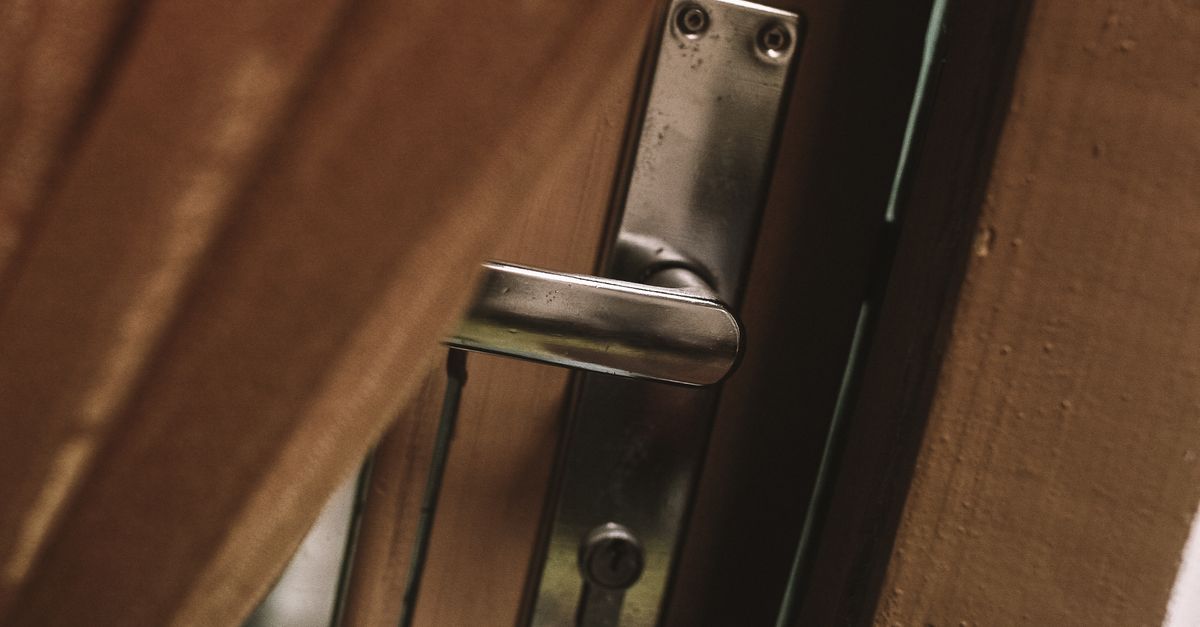
A knob or lever lock rarely fails all at once. The warning signs appear gradually: the knob feels loose in your hand, the latch bolt drags against the strike plate, the key catches before turning, or the lock door knob spins without retracting the latch. In older Brooklyn brownstones and pre-war apartment buildings, these symptoms often mean the internal cam or spindle has sheared — a condition where a rekey or lubrication job simply will not fix the underlying mechanical failure. Replacement is the only lasting solution. For exterior entry doors, a compromised lock is especially urgent because a faulty mechanism can make the door appear locked when it is not.
Interior doors present a different set of concerns. A door knob with lock for bedroom use that stops latching correctly removes the basic privacy barrier families and roommates rely on. In multi-family buildings along Rockaway Parkway or Linden Boulevard, where multiple tenants share a hallway, a broken passage set on an apartment entry door is a more serious liability. Our technicians assess whether the fault lies in the knob set itself, the strike plate alignment, or the door frame before recommending replacement — because replacing a lock on a misaligned frame without correcting the frame means the new hardware will wear out just as fast.